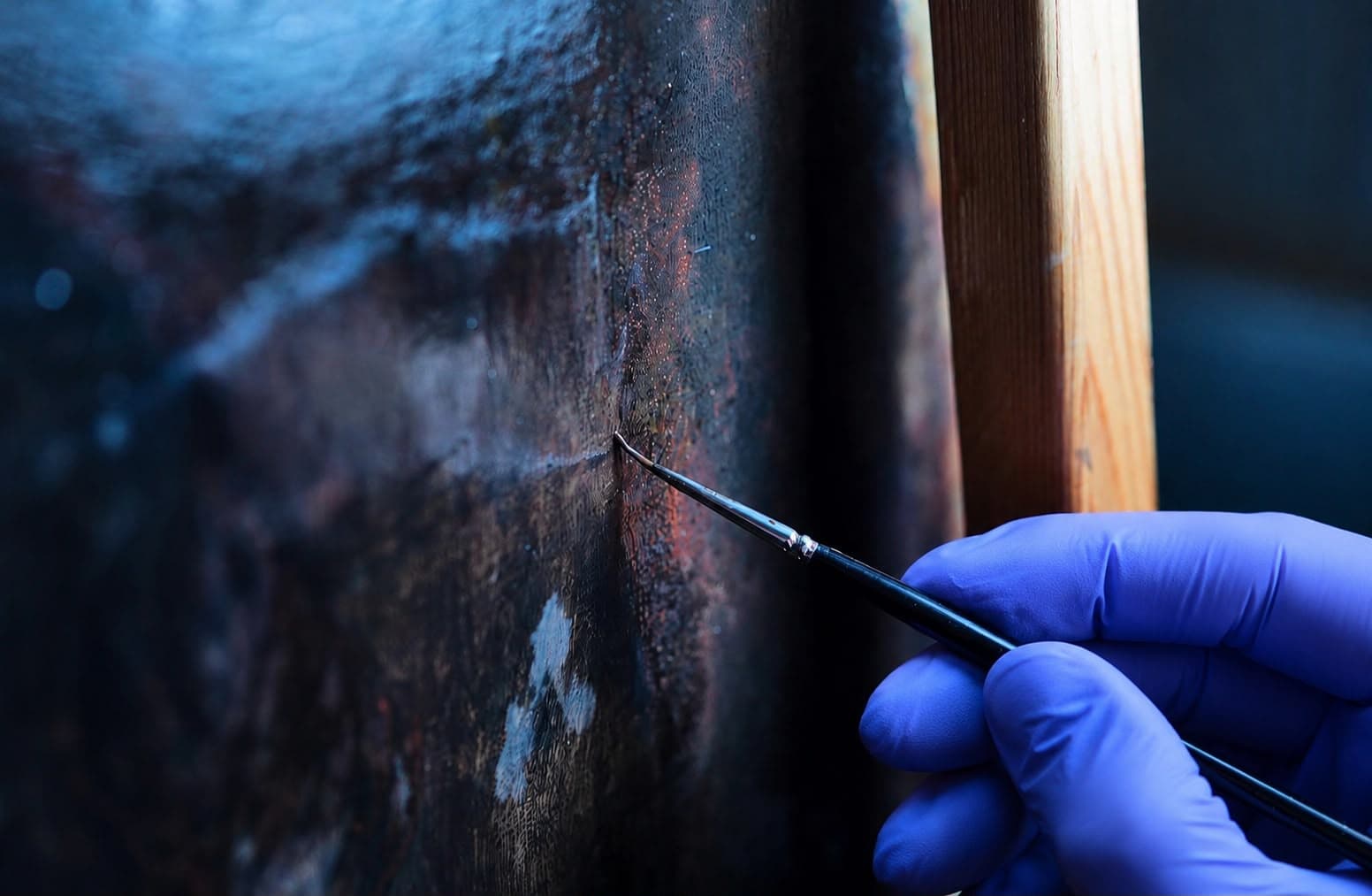
Art Conservation & Restoration
Art Revive
Studio
by Smriti Rajput
Every canvas holds a lifetime of stories. We ensure they continue to be told.
Contact UsMasters whose works have been conserved
A Practice Built on Trust
Museum-trained hands, scientific rigour, and quiet transformation.
The scrolling names above are masters whose works have passed through these hands.
In the Press
Conservation work for the National Museum's new Central Asian Antiquity Gallery was reported as the gallery opened to the public.
The Times of India
“What's on Display” · 20 June 2021
Transformations
The moment a work returns to itself.
Drag the handle to move between a work's condition before treatment and after. Each comparison is a real, documented conservation project from the studio.
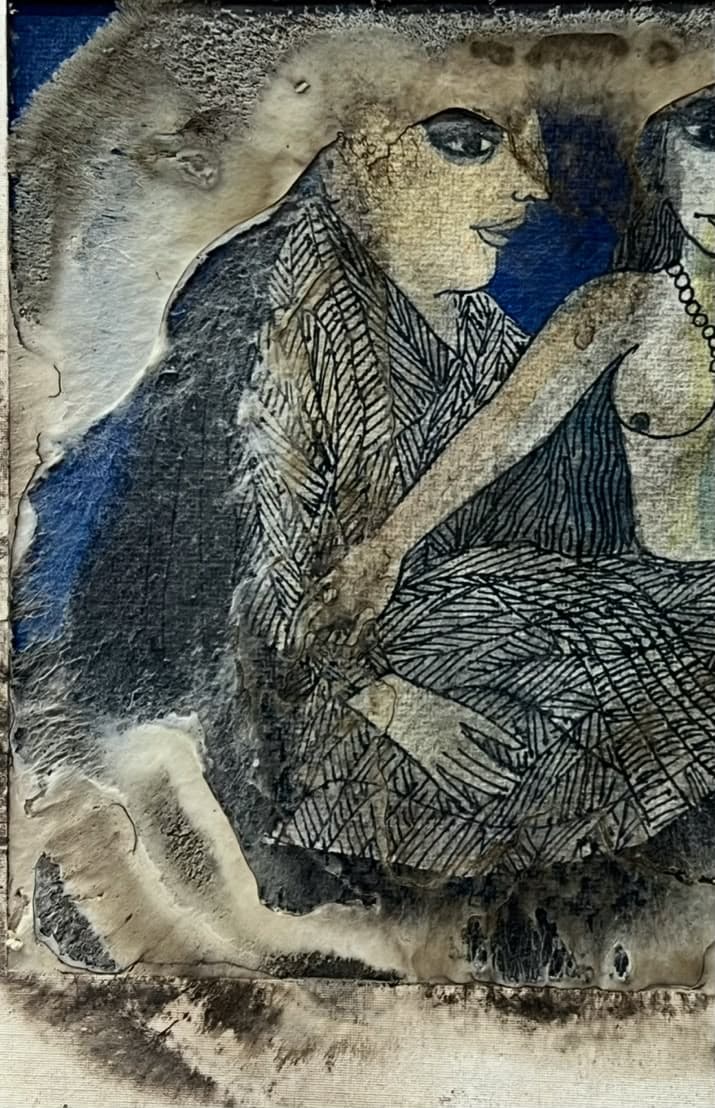
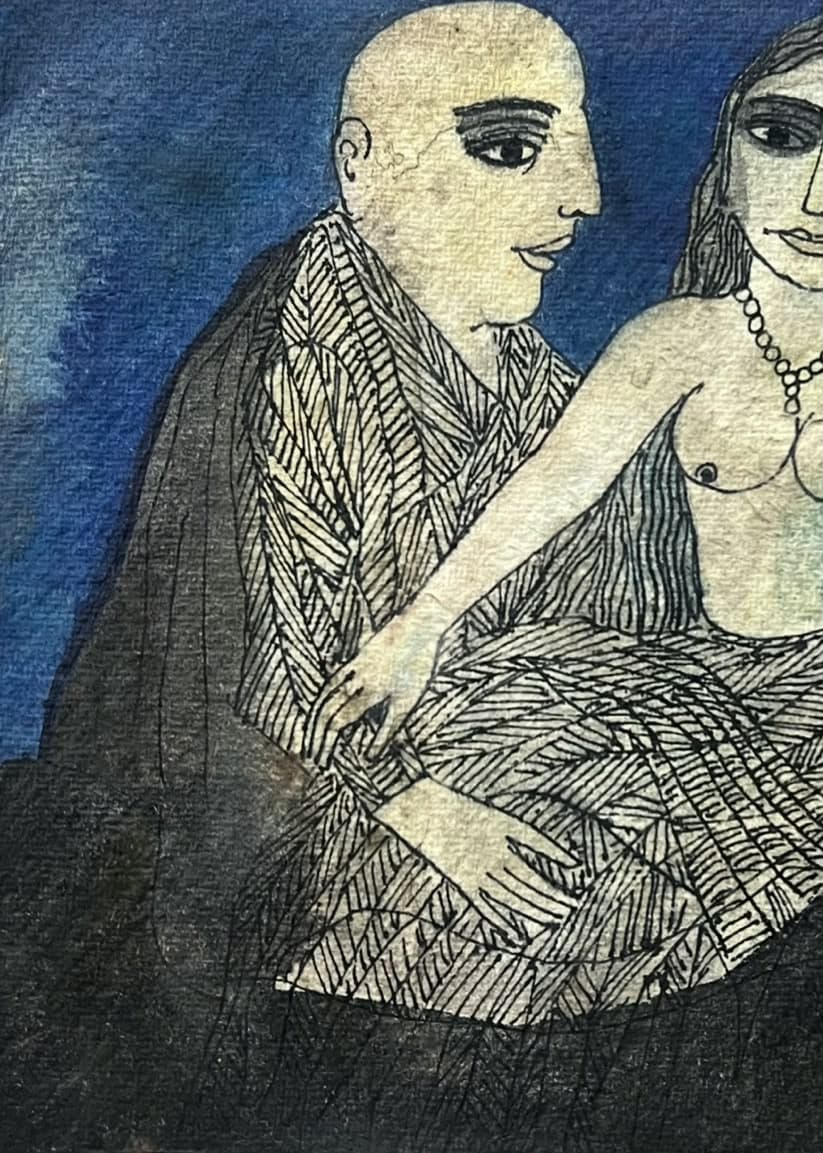
Modern Figurative Work in Ink & Wash·20th century·Ink and watercolour wash on paper
Read the case study- The Damage
- Extensive water staining and heat-scorched edges had darkened the sheet to a mottled brown, obscuring the cool blue wash and threatening the fine ink hatching beneath.
- The Process
- Careful surface and aqueous cleaning to reduce the staining, worked in small controlled stages to protect the ink linework, followed by consolidation of the fragile, heat-affected edges and stabilisation for safe handling and display.
- The Outcome
- The blue ground and fine ink hatching were recovered beneath the discolouration, returning the work's original clarity and intimacy.
What We Do
A complete conservation studio under one roof.
From a gentle surface clean to full structural treatment, every discipline is practised in-house by specialists who never leave your work in unfamiliar hands.
How We Work
Five considered steps, from first conversation to safe return.
We move deliberately. Nothing begins until you understand exactly what we propose, why, and how it can be undone.
- 01
Consultation
We begin with conversation — understanding the work, its history, and what it means to you.
- 02
Assessment
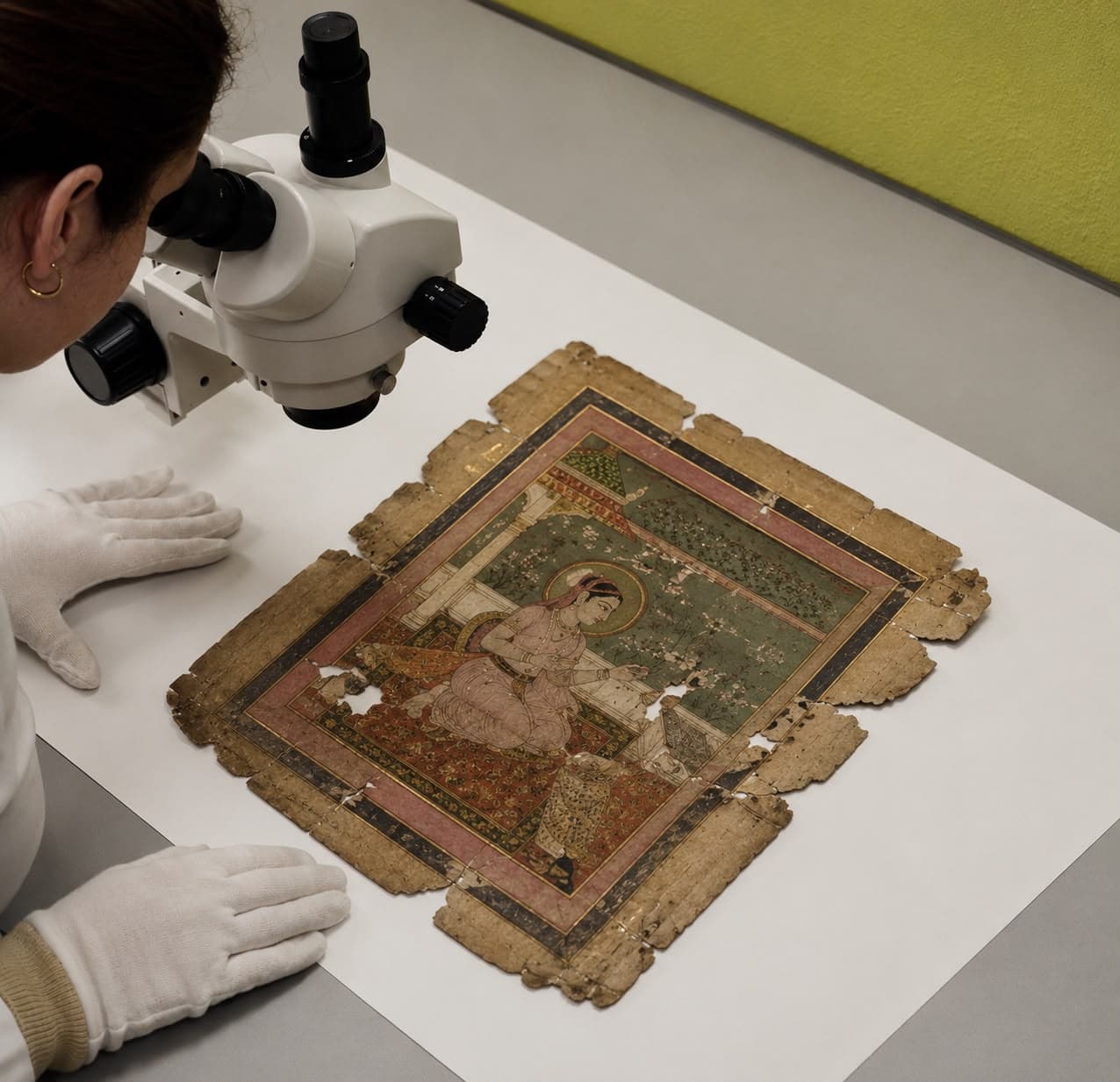
Examination under raking light, UV, and magnification produces a full condition report.
- 03
Conservation Plan
A written, costed treatment proposal — every intervention reversible and clearly explained.
- 04
Conservation Work
Meticulous studio work, documented at each stage with photographic and written records.
- 05
Delivery & Guidance
Safe return, a complete treatment dossier, and bespoke advice for the work's long life ahead.
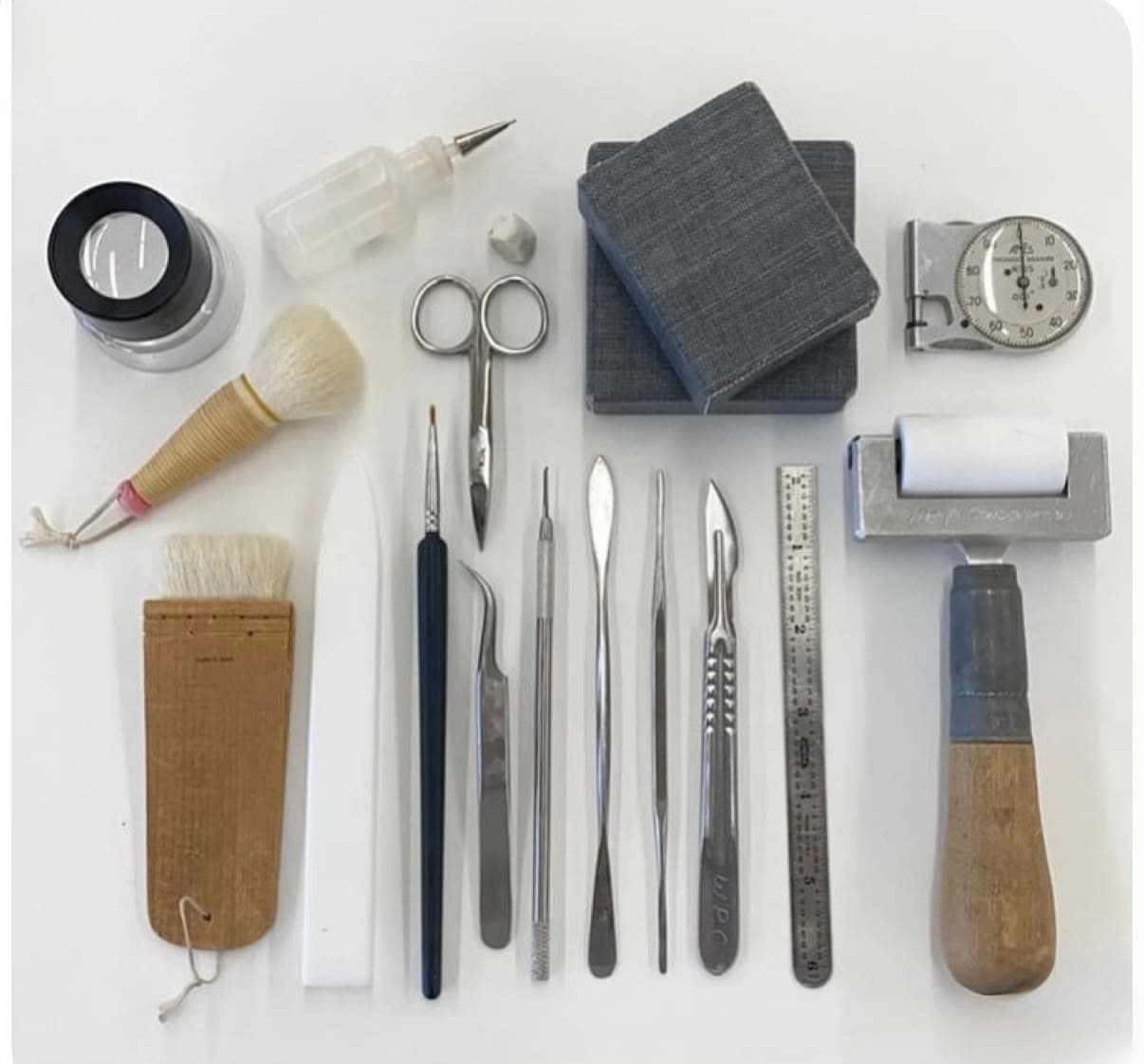
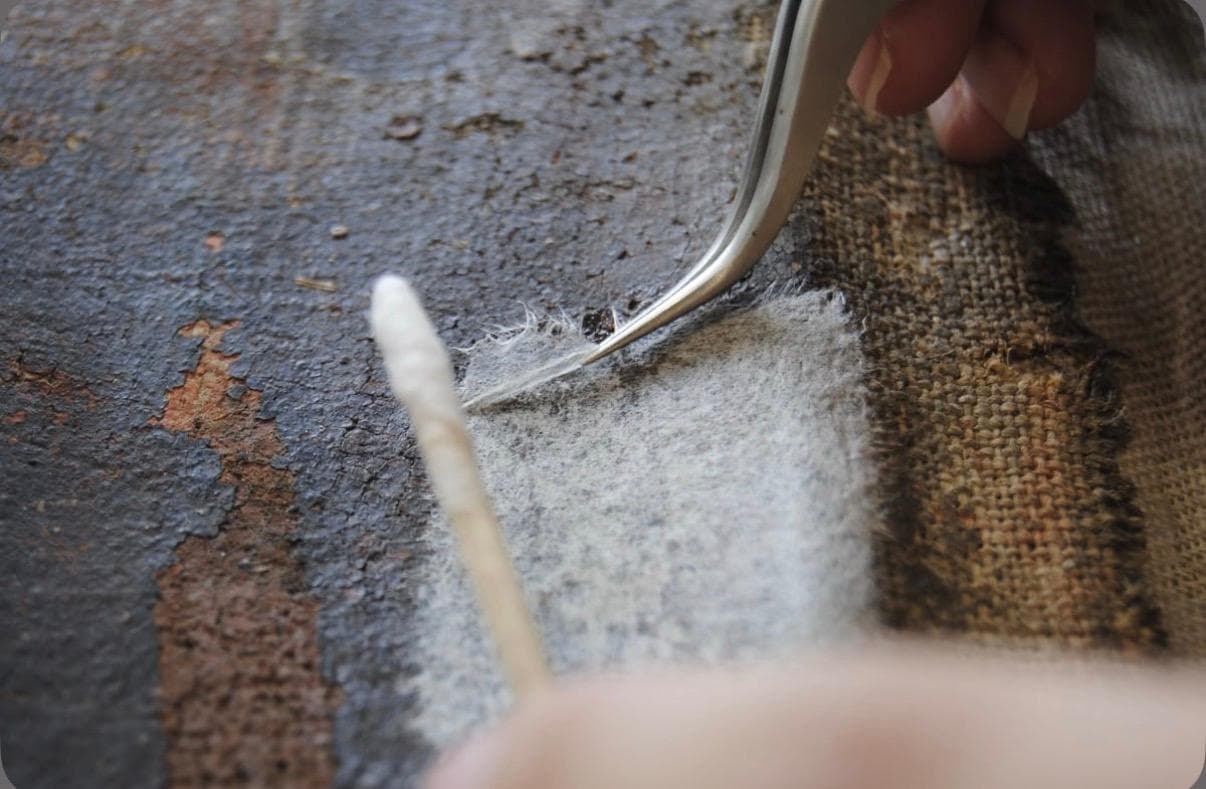
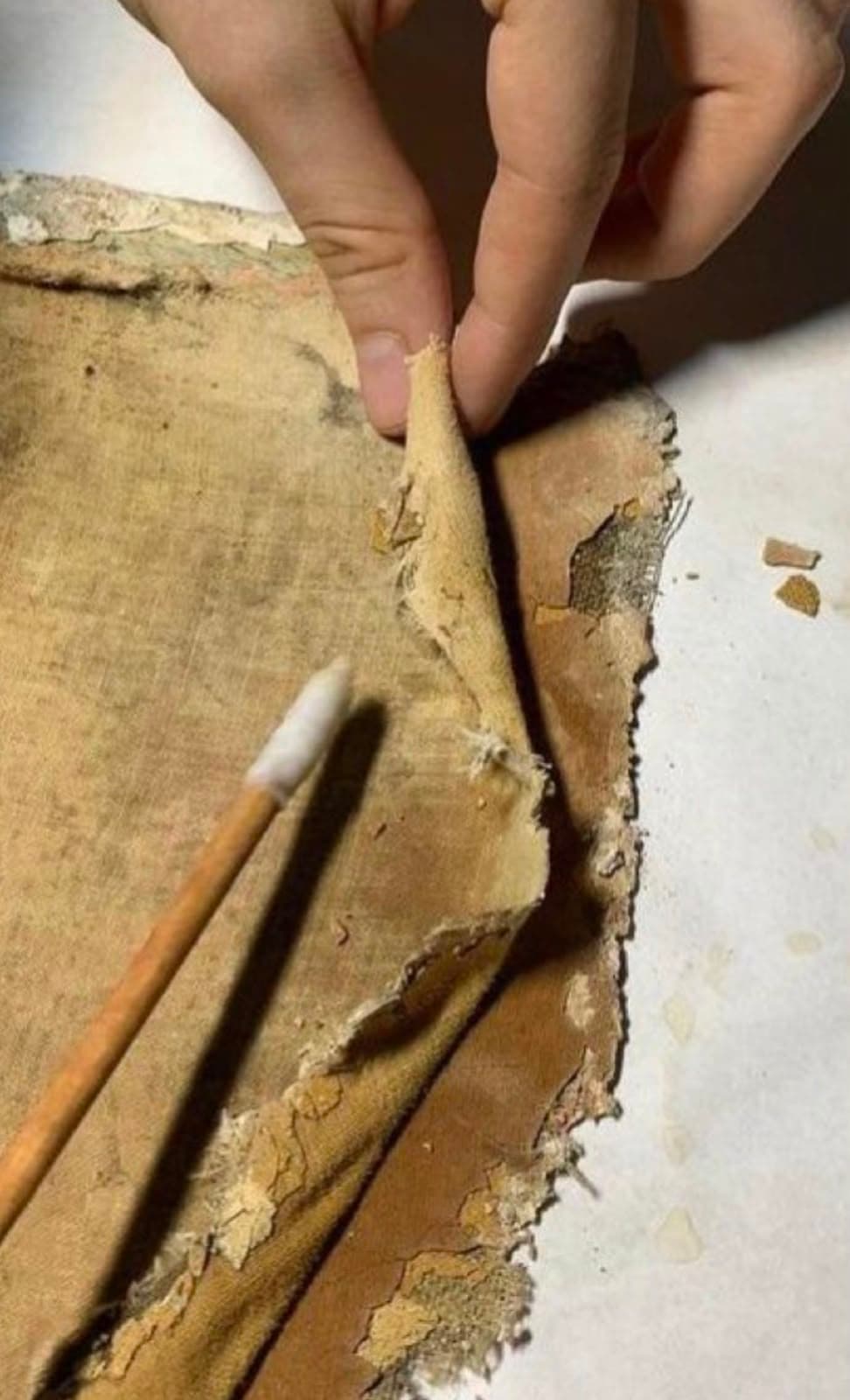
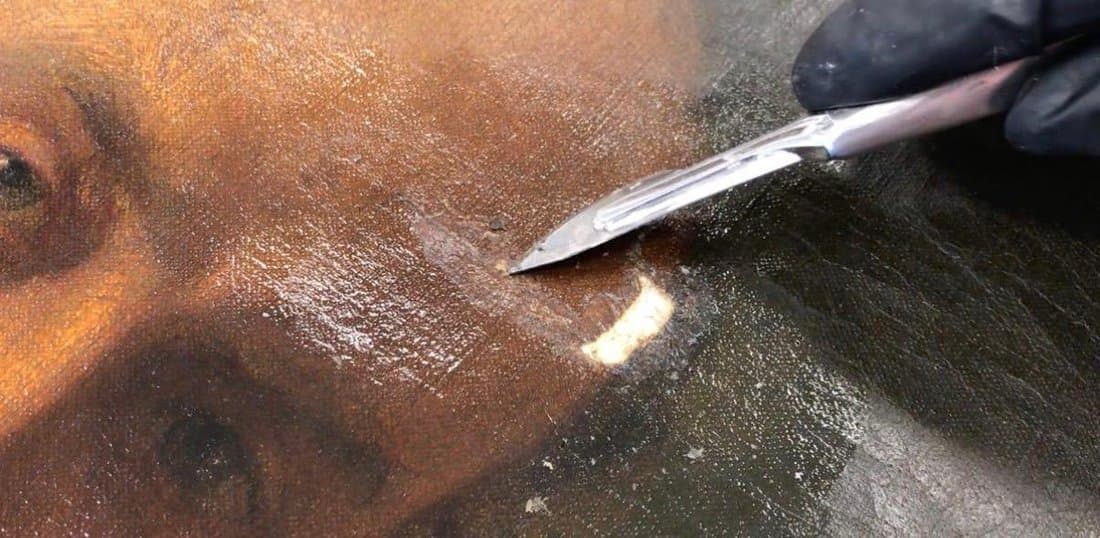
Craft & Conservation
Where the patient hand meets exacting science.
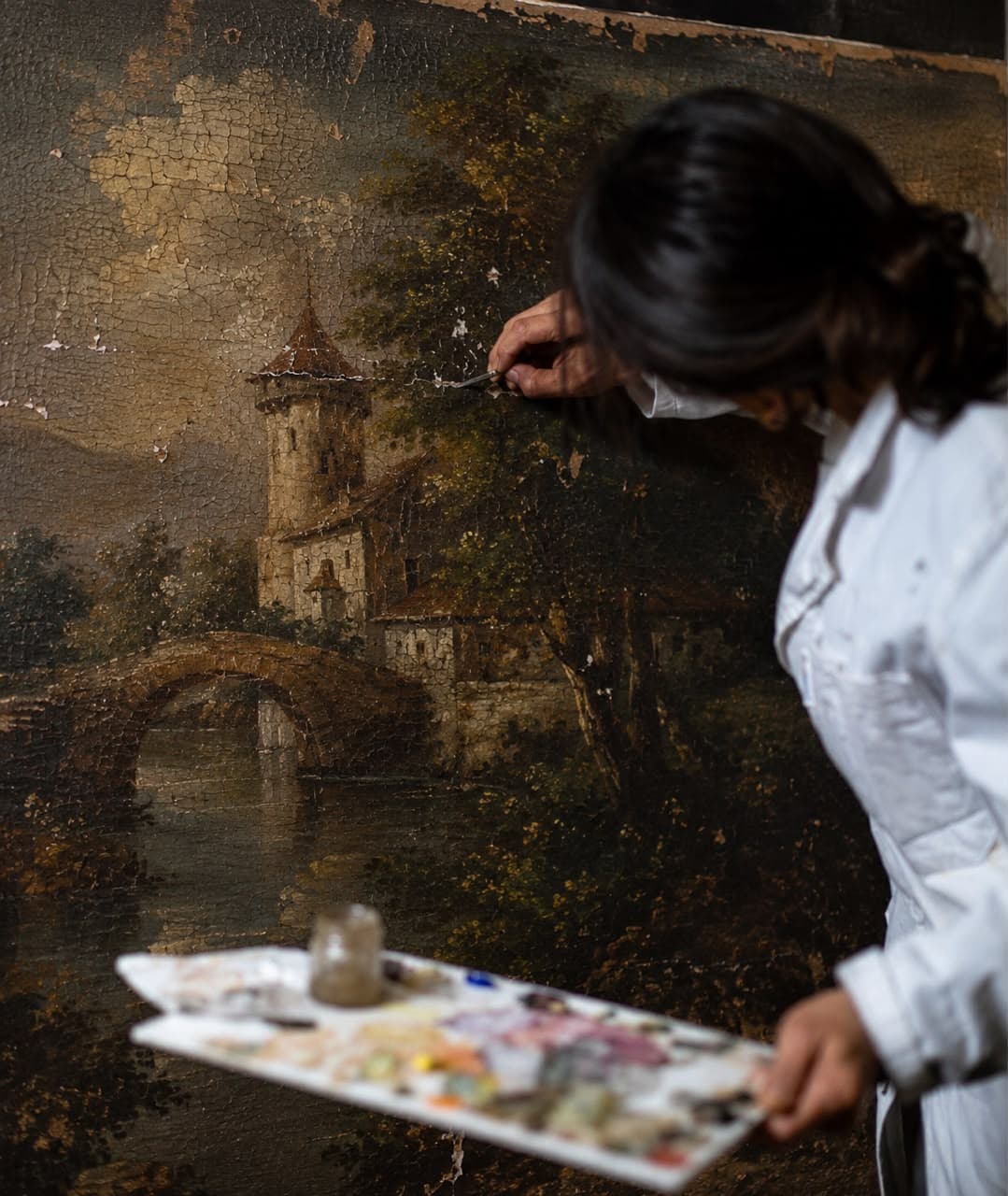
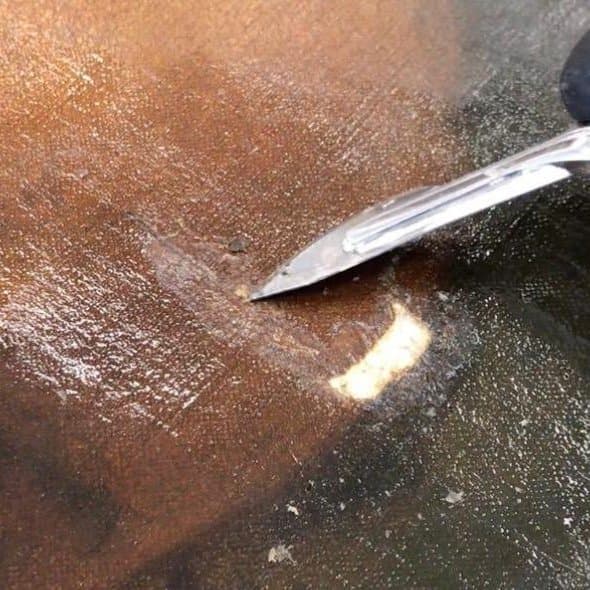
Restoration is a quiet discipline. We work slowly, by eye and by instrument — matching a single lost passage of colour can take days. What we add, we add reversibly; what we reveal, we reveal with restraint. The goal is never to make a work look new, but to let it speak again in its own voice.
Precision
Inpainting and tear-mending under magnification, matched until the eye can find no seam.
Restraint
We do only what a work genuinely requires — the most skilled intervention is often the smallest.
Science
XRF, UV fluorescence, infrared, and microscopy inform every decision before work begins.
Reversibility
Nothing added is permanent. Every treatment can be undone by the conservators who follow.
In Her Words
Conservation is a quiet discipline. We examine before we intervene, do only what a work genuinely needs, and make nothing permanent — so that what returns to you is not a painting made new, but one free to speak again in its own voice.
Questions
Answers, before you ask.
Still wondering about your particular work? Send us a photograph and we'll advise, without obligation.
If you notice discoloured varnish, flaking paint, foxing, tears, acidity, mould, or a general dullness, it may benefit from conservation. A complimentary assessment will advise you — sometimes the right answer is to do very little.
Begin
Begin with a single photograph.
Tell us about your work and a conservator will respond personally within two business days — complimentary, confidential, and without obligation.